Behind the Pressure: Why Men in North Fulton Are Quietly Losing the Battle With Their Mental Health
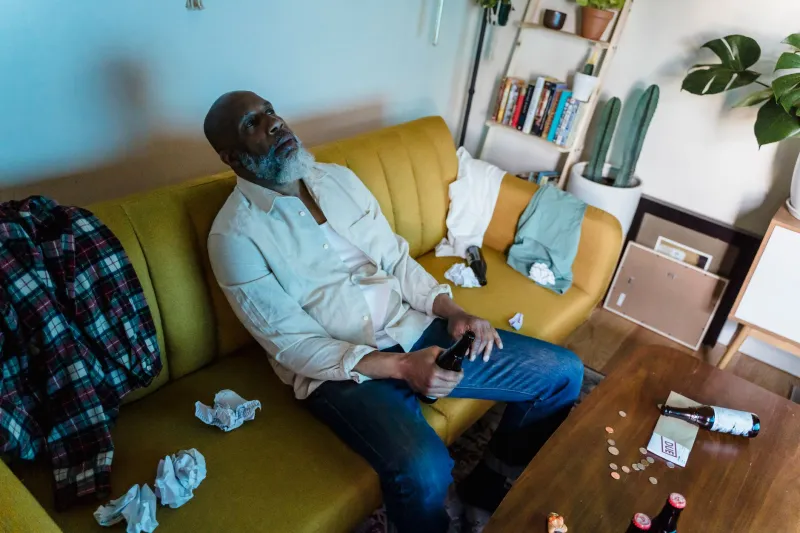
In the neighborhoods of Alpharetta, Roswell, and Milton, the outward signs of success are everywhere. Well-maintained homes, busy youth sports schedules, and thriving professional networks define the rhythm of daily life for thousands of North Fulton families. Yet beneath that surface, a quieter and more troubling story is unfolding—one that rarely makes it into conversation, and almost never into a doctor's office.
Adult men in North Fulton are struggling with depression and anxiety at rates that mental health professionals describe as alarming. And the vast majority of them are doing so alone.
A Problem That Doesn't Ask for Help
National data from the Centers for Disease Control and Prevention consistently shows that men are significantly less likely than women to seek mental health treatment, despite comparable rates of psychological distress. In suburban communities like those throughout Fulton County, that disparity is compounded by specific environmental and cultural pressures that make acknowledging mental illness feel particularly difficult.
Clinical psychologists who work with North Fulton patients describe a recurring pattern: men who have spent months—sometimes years—managing symptoms of anxiety or depression through overwork, alcohol, or simple avoidance before finally sitting down in a therapist's office. By that point, the condition has often deepened considerably.
The reluctance is not simply personal. It is structural. Many men in this region were raised with expectations that emotional difficulty is something to endure privately, that seeking professional support signals weakness, and that a man's primary obligation is to remain functional for his family and employer regardless of what he is experiencing internally. Those expectations do not dissolve when a person moves to a prosperous suburb. In many cases, they intensify.
How North Fulton's Growth Is Making Things Worse
North Fulton has been one of the fastest-growing regions in Georgia for more than a decade. That growth has brought significant economic opportunity, but it has also introduced a specific set of stressors that disproportionately affect working-age men.
The commute culture is one contributing factor. Thousands of men in this area spend between 90 minutes and three hours daily in transit to Atlanta and surrounding employment centers. Research published in peer-reviewed journals has linked extended commuting with elevated cortisol levels, disrupted sleep, reduced physical activity, and diminished time for social connection—all of which are established risk factors for depression.
The professional pressure is another. North Fulton attracts a highly educated, achievement-oriented population. In communities where financial success and career advancement are ambient social norms, men who experience job loss, financial setbacks, or simply feel they are falling short of expectations often internalize that failure in ways that accelerate psychological decline.
Finally, rapid suburban growth has paradoxically increased social isolation. New developments frequently lack the organic social infrastructure—walkable town centers, established community organizations, long-term neighbor relationships—that buffer against loneliness. Men, who on average maintain smaller and less emotionally intimate social networks than women, are particularly vulnerable to the kind of quiet disconnection that suburban sprawl can produce.
The Symptoms That Get Missed
Depression in men frequently presents differently than the clinical picture most people recognize. While persistent sadness is a hallmark symptom, men are more likely to exhibit irritability, anger, fatigue, risk-taking behavior, or increased use of alcohol. These presentations are often attributed to stress or personality rather than recognized as indicators of a treatable medical condition.
Family members are sometimes the first to notice a change—but they may not know how to name it or how to raise the subject in a way that doesn't provoke defensiveness. Employers may observe declining performance without connecting it to mental health. Primary care physicians, who often have limited appointment time, may not probe beyond the presenting complaint.
This is why mental health advocates emphasize the importance of routine screening. At North Fulton Hospital, primary care visits provide an opportunity for brief mental health assessments that can identify distress before it reaches a crisis point. Men who would never voluntarily seek a therapist may disclose symptoms in a medical setting they already trust.
What the Research Says About What Works
The evidence base for treating male depression and anxiety is robust, and the prognosis for men who do engage with treatment is genuinely encouraging. Cognitive behavioral therapy has demonstrated strong outcomes across multiple studies. Medication, when appropriate, can meaningfully reduce symptom burden. Combined approaches often produce the most durable results.
What the research also shows, however, is that the framing of mental health care matters for men. Programs that emphasize practical problem-solving, physical health connections, and goal-oriented outcomes tend to have higher engagement rates among male patients than those that center emotional processing as the primary framework. This is not about avoiding depth—it is about meeting men where they are and building trust over time.
Peer support also plays a meaningful role. Men who hear from other men—particularly men they respect—that seeking help is both reasonable and effective are substantially more likely to take that step themselves. Community-level conversations that normalize mental health treatment, rather than framing it as exceptional, can shift the calculus for individuals who are currently suffering in silence.
What North Fulton Families and Communities Can Do
Change at the individual level begins with awareness, but it requires structural support to become sustainable. Several practical steps are worth considering for families, employers, and community organizations in the North Fulton area.
For families: Create space for honest conversation without attaching judgment to what emerges. Recognize that asking a man directly whether he is struggling—and asking more than once—can matter significantly. Encourage annual physical exams, which provide a natural opportunity for mental health screening.
For employers: Employee assistance programs that include mental health benefits are only valuable if employees know they exist and trust that using them carries no professional consequence. Normalizing those resources through leadership communication can reduce the stigma that prevents utilization.
For community organizations and faith communities: Programs that bring men together around shared activities—mentorship, fitness, volunteerism, professional development—build the social connection that protects against isolation-driven depression, often without requiring anyone to explicitly identify a mental health need.
Reaching Out Is a Sign of Strength, Not Its Absence
North Fulton Hospital's behavioral health services are available to adults navigating depression, anxiety, and related conditions. Our providers understand the specific pressures that shape life in this community, and our approach to care is built on respect for each patient's experience.
The men in this community—the fathers, partners, colleagues, and neighbors who carry enormous responsibility and rarely ask for support—deserve access to care that meets them with both clinical expertise and genuine compassion. The first step is often the hardest. We are here when that step is ready to be taken.
If you or someone you know may be experiencing symptoms of depression or anxiety, contact North Fulton Hospital to speak with a member of our behavioral health team or ask your primary care provider about mental health screening at your next visit.