When Winning Comes at a Cost: What North Fulton Youth Sports Families Must Know About Preventing Serious Injuries
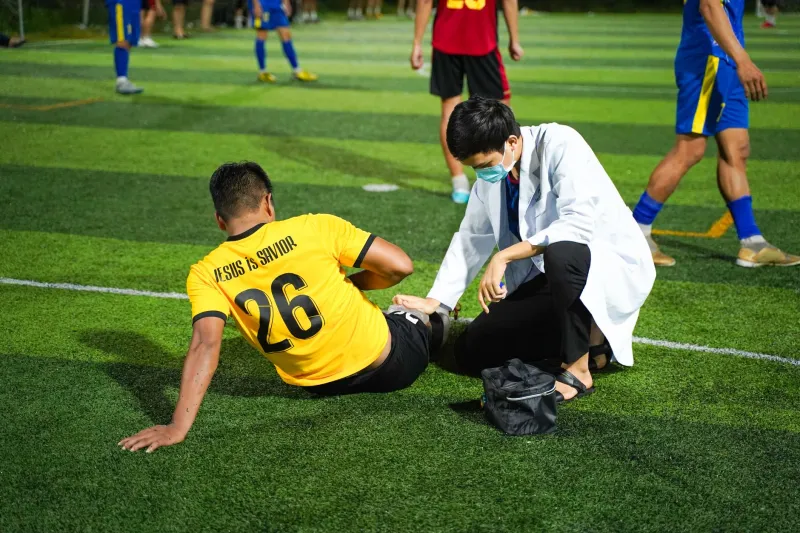
Across North Fulton County, youth athletic programs have evolved dramatically over the past two decades. Travel teams, club circuits, and year-round sport-specific training have become standard features of childhood for tens of thousands of young athletes in communities stretching from Alpharetta to Milton and beyond. The competitive intensity that characterizes this culture reflects genuine dedication — from athletes, from coaches, and from families who invest substantial time and resources in their children's athletic development.
But that intensity carries a physical cost that pediatric sports medicine specialists are increasingly concerned about. At North Fulton Hospital, we see the consequences of that cost regularly — and we believe that informed families are the most effective line of defense against preventable injury.
The Scope of the Problem
National data from the American Academy of Pediatrics estimates that overuse injuries now account for nearly half of all sports-related injuries in middle and high school athletes. Unlike acute injuries — a sprained ankle, a broken wrist — overuse injuries develop gradually from repetitive mechanical stress applied to bones, tendons, and growth plates before they have fully matured.
In a community like North Fulton, where single-sport specialization at ages as young as nine or ten has become commonplace, the conditions for overuse injury are almost systematically created. A young pitcher who throws year-round without adequate rest periods, a gymnast who trains 20 hours per week on developing skeletal structures, a soccer player who participates in three overlapping leagues simultaneously — each of these athletes is accumulating microtrauma at a rate that tissue recovery cannot match.
The consequences range from stress fractures and tendinopathies to growth plate injuries that, if left unaddressed, can produce permanent structural changes affecting an athlete well into adulthood.
Concussions: The Injury That Demands Respect
No youth sports injury has received more public attention over the past decade than concussion — and that attention is warranted. The developing brain is demonstrably more vulnerable to the effects of traumatic impact than the adult brain, and the consequences of inadequate recovery following concussion include prolonged post-concussion syndrome, increased susceptibility to subsequent injury, and, in cases of repeated injury without sufficient recovery, potential long-term neurocognitive effects.
Despite widespread awareness campaigns, return-to-play decisions in youth sports remain a frequent point of failure. Pressure from coaches, teammates, and sometimes parents can lead athletes — who are rarely reliable reporters of their own symptoms — back to competition before neurological recovery is complete. Georgia's Return to Play Act provides legal protection for athletes who are removed from activity following a suspected concussion, but the law's effectiveness depends entirely on adults who are willing to enforce it consistently.
If your child sustains a blow to the head during athletic activity, removal from play is mandatory regardless of whether symptoms are immediately apparent. A formal evaluation by a qualified healthcare provider — not a sideline assessment — should precede any return to practice or competition.
The Specialization Debate
Sports medicine research has generated increasingly clear consensus on one question that many North Fulton families find uncomfortable: early single-sport specialization does not produce better adult athletes, and it does produce higher injury rates.
A landmark study published in the American Journal of Sports Medicine found that athletes who specialized in a single sport before age 12 experienced significantly higher rates of overuse injury than those who participated in multiple sports. Separate research from the Hospital for Special Surgery demonstrated that multi-sport athletes were more likely to compete at the collegiate level than early specialists — directly contradicting the conventional wisdom that drives many families toward year-round club programs.
The American Academy of Pediatrics recommends that children take at least one to two days off per week from any organized athletic activity and at least two to three months per year away from any single sport. These are not arbitrary guidelines; they reflect the biological requirements of developing musculoskeletal and neurological systems.
Nutrition and Recovery: The Overlooked Variables
In the focus on training volume and technical development, two factors that profoundly influence injury risk are frequently neglected: nutrition and sleep.
Adolescent athletes have substantially elevated caloric and micronutrient requirements compared to their sedentary peers. Iron, calcium, vitamin D, and adequate total caloric intake are all directly relevant to bone density, tissue repair, and resistance to stress fracture. Relative Energy Deficiency in Sport (RED-S) — a condition in which energy expenditure chronically exceeds intake — is particularly prevalent among female athletes and is associated with stress fracture risk, hormonal disruption, and impaired immune function.
Sleep is equally critical. Human growth hormone, which is essential for tissue repair and skeletal development, is released primarily during deep sleep. An athlete who is training intensively but sleeping six hours per night is systematically impairing the recovery processes that protect against injury. The American Academy of Sleep Medicine recommends eight to ten hours per night for adolescents — a target that is frequently sacrificed in households managing early morning training schedules.
Recognizing When Specialized Evaluation Is Necessary
Parents should not wait for an injury to become severe before seeking professional assessment. The following presentations warrant evaluation by a sports medicine physician rather than a general practitioner:
- Persistent pain in a specific location that does not resolve with two to three days of rest, particularly in the shin, heel, lower back, or elbow
- Pain that worsens during or after athletic activity and improves only with extended rest
- Any suspected concussion, regardless of symptom severity
- Asymmetrical movement patterns or limping that the athlete has normalized or denies
- Significant changes in performance that cannot be explained by conditioning or technical factors
Sports medicine specialists are trained to distinguish between conditions that respond to conservative management and those that require imaging, physical therapy, or more intensive intervention. Early evaluation consistently produces faster recovery and better long-term outcomes than delayed treatment.
A Partnership in Athletic Health
North Fulton Hospital is committed to supporting the health of this community's young athletes — not by discouraging participation in sports, but by ensuring that families have the information and access to care that allows young people to compete safely and sustainably.
Athletic participation, when approached with appropriate attention to recovery, nutrition, and age-appropriate training load, offers profound benefits: physical fitness, psychological resilience, teamwork, and the particular satisfaction of disciplined effort. Those benefits are best protected by adults who understand that the goal is a healthy, capable young person — not a scholarship won at the cost of a developing body.