A Healthcare System Interrupted: How the Pandemic's Long Shadow Is Still Affecting North Fulton Families
In the spring of 2020, millions of Americans did something that would have seemed unthinkable a year earlier: they stopped going to the doctor. Routine appointments were canceled. Screenings were postponed. Emergency rooms that were once considered the safety net of last resort became places many patients actively avoided. In North Fulton, as throughout the country, the healthcare system did not simply pause—it fractured in ways that are still being felt across every demographic and age group.
More than three years removed from those early months, the full scope of that disruption is coming into focus. And the picture is more complicated—and in some respects more troubling—than many anticipated.
What Was Delayed Cannot Always Be Recovered
The most immediate and measurable consequence of pandemic-era healthcare avoidance is the backlog of missed preventive care. Colonoscopies, mammograms, cervical cancer screenings, and cardiovascular risk assessments were among the services most frequently deferred during 2020 and 2021. In many cases, those deferrals stretched well beyond the initial lockdown period as patients hesitated to re-engage with in-person care, and provider capacity remained constrained.
The clinical implications of these gaps are significant. Preventive screenings are designed to detect disease at its earliest and most treatable stages. When those screenings are delayed by one year, two years, or more, conditions that might have been identified early may instead present at an advanced stage—with meaningfully different treatment options and outcomes.
Oncologists and primary care physicians across the Atlanta metropolitan area, including those serving North Fulton communities, have reported an uptick in later-stage diagnoses that they attribute, at least in part, to the interruption of routine screening programs during the pandemic period. This is not speculation—it is a pattern now documented in peer-reviewed literature and confirmed by clinical observation at health systems nationwide.
For North Fulton residents who deferred screenings during those years and have not yet returned to schedule, the message from providers is direct: the time to re-engage is now, not later.
A Generation Reshaped by a Different Healthcare Experience
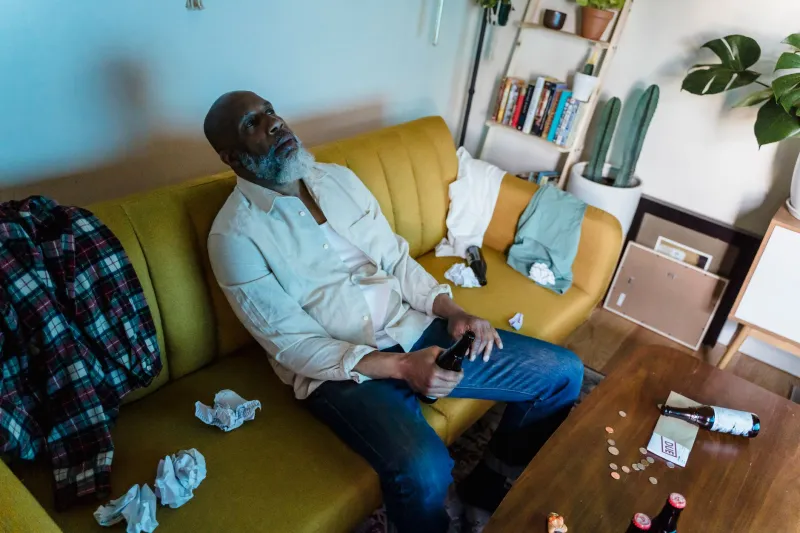
Perhaps the most consequential long-term shift produced by the pandemic involves younger adults—roughly those between 18 and 35—who came of age medically during a period of profound disruption. This cohort encountered a healthcare system that was simultaneously overwhelmed, inaccessible for routine needs, and deeply associated with fear and uncertainty. The result, observed by providers across the country, is a generation with measurably lower rates of engagement with preventive care and a higher threshold for seeking in-person medical attention.
In North Fulton, where a substantial and growing young professional population has arrived in recent years, this dynamic has practical consequences. Young adults who lack established relationships with primary care providers, who default to internet-based symptom searches rather than clinical consultation, and who view telehealth as a complete substitute for in-person evaluation represent a population that is, in many respects, underserved despite having access to excellent healthcare resources.
The concern is not that telehealth is without value—it has proven genuinely useful for many types of care. The concern is that it is being used as a replacement for comprehensive care rather than a complement to it, and that the physical examination, the continuity of a provider relationship, and the diagnostic capabilities of an in-person visit are being lost in the process.
Telehealth: A Tool With Real Limits
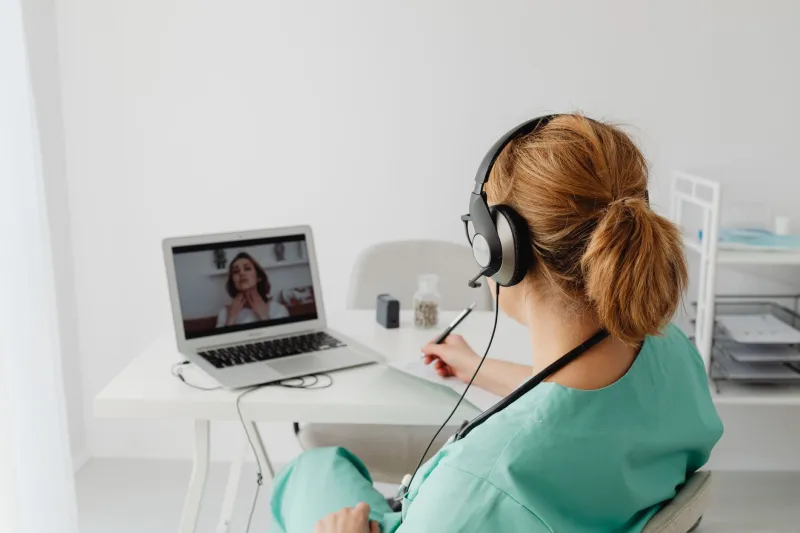
The pandemic accelerated the adoption of telehealth services at a pace that would not otherwise have occurred for years, if not decades. For many patients and many conditions, this was a genuinely positive development. Medication management, behavioral health consultations, follow-up visits for stable chronic conditions, and initial triage conversations are all well-suited to virtual platforms. Telehealth also addressed meaningful access barriers for patients with transportation challenges, demanding work schedules, or caregiving responsibilities that make in-person visits difficult.
However, the limitations of virtual care are real and clinically important. A significant proportion of diagnostic information is gathered through physical examination—blood pressure readings, auscultation of heart and lung sounds, palpation of abdominal structures, dermatological assessment, and neurological evaluation, among many others. These cannot be replicated through a video screen.
Furthermore, continuity of care—the ongoing relationship between a patient and a provider who knows their history, their risk factors, and their life context—is difficult to build through episodic telehealth encounters with different providers. That continuity is not merely a matter of comfort; it is a clinical asset with demonstrated associations with better health outcomes.
North Fulton Hospital has integrated telehealth thoughtfully into its care model, using virtual platforms where they genuinely serve patients while maintaining the primacy of in-person care for evaluations that require it. Our providers are equipped to help patients understand when a virtual visit is appropriate and when an in-person examination is essential.
Rebuilding Trust in Preventive Care
One of the more subtle but significant consequences of the pandemic is an erosion of institutional trust in healthcare among certain segments of the population. Misinformation, inconsistent public health messaging, and the visible strain on health systems during peak crisis periods left some patients more skeptical of medical guidance than they had been before. Rebuilding that trust requires more than messaging—it requires consistent, respectful, and transparent patient-provider relationships over time.
Local providers in North Fulton are approaching this challenge through several strategies. Patient education—clear, accessible explanations of why specific screenings and preventive measures matter for individual health—has proven more effective than generic public health appeals. Reducing administrative friction in scheduling and follow-up makes it easier for patients who are hesitant to take the first step. And expanding care hours and access points, including same-day appointments and walk-in availability, addresses the practical barriers that prevent even motivated patients from following through.
What North Fulton Residents Should Do Now
For families navigating the aftermath of pandemic-era healthcare disruption, several concrete steps are worth taking in the near term.
First, review your preventive care schedule. Adults who deferred routine screenings between 2020 and 2022 should consult with their primary care provider to assess what is overdue and prioritize accordingly. This is particularly important for colorectal cancer screening, cardiovascular risk assessment, and age-appropriate cancer screenings.
Second, establish or re-establish a primary care relationship. A consistent provider who knows your health history is one of the most valuable assets in long-term health management. If you do not currently have one, North Fulton Hospital can connect you with primary care physicians accepting new patients in our community.
Third, do not allow telehealth convenience to become a substitute for comprehensive care. Virtual visits have a valuable role, but they work best when embedded within a broader care relationship that includes periodic in-person evaluations.
The disruption of the past several years was real, and its effects will not resolve without deliberate effort. North Fulton Hospital remains committed to supporting every family in this community as they navigate the path back to comprehensive, consistent, and genuinely preventive healthcare.